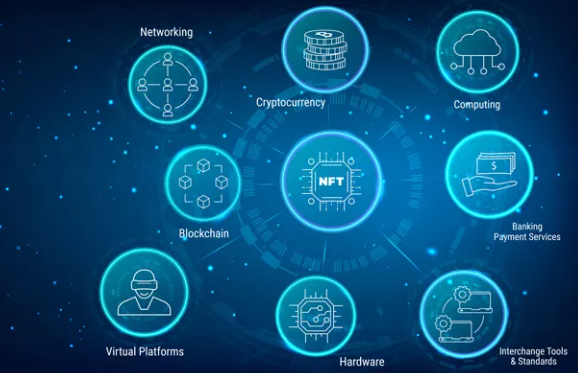
Cryptocurrency transactions begin as digitally signed instructions transferring ownership, referencing inputs, outputs, and amounts. The broadcast travels through peers, guided by relay paths and network heuristics, while nodes queue the data in mempools where fee structures influence ordering. Validation combines consensus, cryptographic verification, and nonce checks to prevent double-spending. Once validated, miners or validators include the transaction in a block, with finality achieved via confirmations and chain stability—yet the path to trust remains nuanced and consequential.
What a Crypto Transaction Is and How It Starts
A crypto transaction is a digitally signed instruction that transfers ownership of cryptocurrency from a sender to a recipient, recorded on a distributed ledger.
The process begins with a signed intent, referencing inputs, outputs, and amounts. Verification enforces correctness; validation follows, ensuring consent and authenticity.
Two word discussion ideas: transaction origin, network incentives.
This delineates structure without presupposing network-specific propagation details.
How Transactions Propagate Through the Network and Mempools
In the prior discussion, the workflow of a crypto transaction was outlined, including how inputs, outputs, and amounts are signed and validated.
Transaction propagation describes how newly created transactions reach peers, prioritizing relay paths, latency, and network heuristics.
Mempool dynamics govern acceptance, queuing, fee-based selection, and eviction, shaping broadcast efficiency, scheduling, and eventual inclusion in blocks across decentralized nodes.
How Validation Works: Consensus, Verification, and Block Inclusion
Validation in a blockchain network rests on a triad of processes: consensus, verification, and block inclusion. Validation mechanics define how nodes confirm transaction legitimacy, ensure nonce and signature integrity, and prevent double-spending within a decentralized ledger.
Consensus challenges include latency, adversarial forks, and throughput limits, while verification remains deterministic.
Block inclusion finalizes ordering, balancing speed with security under diverse network conditions.
From Propagation to Finality: Blocks, Fees, and Confirmations
Nodes relay, miners validate, and a chain forms, with block timing shaping throughput.
Consensus tradeoffs emerge between speed and security, while fee dynamics influence payer incentives, miner selection, and confirmation latency, ultimately stabilizing network integrity and trust.
See also: How Blockchain Interoperability Supports Crypto Innovation
Conclusion
In summary, cryptocurrency transactions begin as signed instructions that reference inputs and outputs, then traverse a decentralized network where nodes relay, rate-limit, and queue them in mempools before miners or validators select them for block inclusion. Validation combines consensus rules, cryptographic verification, and anti-double-spend checks, culminating in finality through blocks and confirmations. An attention-grabbing statistic: average confirmation times vary widely by network, but robust blockchains typically achieve conditional finality within a handful of blocks, providing strong probabilistic security against reorgs.
